Saltwater

Fishing Dauphin Island

A barrier island with four distinct fisheries: the public pier, the Fort Gaines rocks and jetties, the marsh and Mississippi Sound flats, and the artificial reefs offshore. Tide movement matters more than time of day.

Kayak fishing Dauphin Island

The island's best shallow water is behind it, not in front of it. A kayak gets you onto marsh edges and flats no bay boat can reach. Paddle early, plan around the tide change, and stay off the sound when the wind is over about 12 mph.

  • Billy Goat Hole Boat Launch

    Easiest hard launch on the island — sheltered basin, paddle out to the jetty or east toward the pier.

    Public launch and jetty walkway; small launch fee for trailers.

    Typically caught

    Redfish, Speckled trout, Flounder, Croaker, Hardhead catfish

    Show on the spot map
  • Katrina Cut / West Island Flats

    Beach-launch on the sound side and paddle the flats; go at first light before the sea breeze builds.

    Walk-in / kayak access along the west end; respect posted private lots.

    Typically caught

    Redfish, Speckled trout, Flounder, Black drum

    Show on the spot map
  • Aloe Bay & Marina Docks

    Protected water and a public launch ramp — the best bad-weather kayak option on Dauphin Island.

    Public bayfront and launch; marina docks themselves are private property.

    Typically caught

    Speckled trout, Redfish, Sheepshead, Flounder, Mangrove snapper

    Show on the spot map
  • Lafitte Bay

    Protected from most south wind, knee-deep for long stretches — ideal beginner paddle-and-fish water.

    Kayak / shallow-draft water on the west end; launch from the Aloe Bay ramp or a beach carry-in. Homes along the shoreline are private — stay off docks and lawns.

    Typically caught

    Redfish, Speckled trout, Flounder, Black drum, Sheepshead, Ladyfish

    Show on the spot map
  • Little Dauphin Island Marsh

    Skinny water, no motor pressure; go on a rising tide so you don't get stuck on the shell.

    Kayak-only marsh north of the airport; part of the Bon Secour NWR — no landing on posted refuge beach during bird nesting season.

    Typically caught

    Redfish, Speckled trout, Flounder, Black drum

    Show on the spot map
  • Indian Shell Mound Bayou

    Short, calm paddle — the safest place to put a first-timer in a fishing kayak.

    Carry-in kayak access from the public park side; the bayou itself is open water.

    Typically caught

    Speckled trout, Redfish, Sheepshead, Mangrove snapper

    Show on the spot map
  • Confederate Pass & Airport Marsh

    Real current here — paddle it on a tide change, not mid-run, and wear your PFD.

    Kayak access from the Aloe Bay side; watch for boat traffic in the pass itself.

    Typically caught

    Speckled trout, Redfish, Flounder, Ladyfish, Spanish mackerel

    Show on the spot map

Spot focus

Lafitte Bay

Lafitte Bay sits on the west end of Dauphin Island: shallow, marsh-lined, sheltered from most south wind and knee-deep for long stretches. It fishes best on the last of the incoming and the first two hours of the fall, when bait washes off the grass into the potholes. Launch at the Aloe Bay ramp or carry in from the bay side, and keep off private docks and lawns along the shore.

What you'll catch

  • Redfish (slot 16–26 in)Cruising the marsh edge and tailing on the shallow flat at low light — the number-one target here.
  • Speckled troutOver grass and in the sandy potholes; best on a moving tide with a popping cork.
  • Southern flounderOn the sandy drop near the mouth of the bay, strongest in the fall run.
  • Black drum & sheepsheadTight to the oyster shell and any dock pilings — fresh dead shrimp or fiddler crabs.
  • Ladyfish & white troutNon-stop action fish in warm months; fun on light tackle, not table fare.

Recommended setup

Rod & reel
7'0"–7'2" medium / fast spinning rod with a 2500–3000 size reel. Long enough to cast from a seated position, light enough to work a jig one-handed while you steer.
Line & leader
10–15 lb braid to 18–24 in of 20 lb fluorocarbon leader. Braid cuts the grass and lets you feel a soft redfish pickup; fluoro survives the oyster shell.
Go-to bait
Live shrimp under a popping cork for trout, and a fresh cut mullet or live shrimp on a Carolina rig for reds. Artificials: 1/8 oz jig head with a paddle-tail (glow / chartreuse in stained water, natural on clear tides) and a weedless gold spoon for the grass.
Hooks & rigs
2/0–3/0 circle hook for bait so you don't gut-hook a short red, 1/0 kahle for flounder, and a 1/8–1/4 oz jig head for plastics. Popping cork over grass, Carolina rig on the sand.

Tide tip: fish the moving water. Slack tide in Lafitte Bay is dead — check the live conditions page before you load the kayak.

Target species

Identification, bait, hooks, rigs, tides and eating quality for the fish you'll meet on the pier, jetties, surf and reefs.

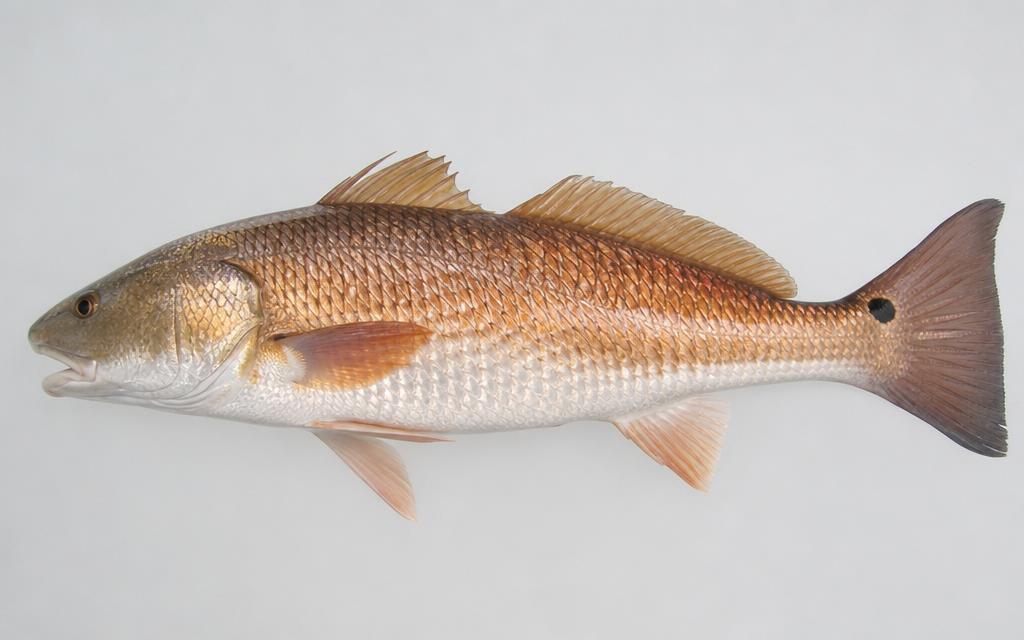
Red Drum (Redfish) identification photo

Red Drum (Redfish)

Sciaenops ocellatus

Excellent table fare
Identify
Copper-bronze back, blunt nose, and at least one black eyespot at the base of the tail.
Where
Dauphin Island's marsh edges, the Katrina Cut, Little Dauphin Island flats, and along the rock jetties at Fort Gaines.
Bait
  • Live or cut mullet on the bottom
  • Live shrimp under a popping cork
  • Gold spoon or paddletail on the flats
Hooks
4/0–7/0 circle hook for bait; 3/0 weighted swimbait hook for soft plastics.
Rig
Fish-finder (sliding sinker) rig with 2–4 oz pyramid in the surf; popping cork with a 20 in leader over grass.
Line
20–30 lb braid with a 30–40 lb fluorocarbon leader (they rub through light leaders on the rocks).
Eating
Slot-size reds (16–26 in in Alabama) are excellent — 'on the half shell' grilled scale-side down. Bull reds over the slot are coarse and must be released.
Legal size

16–26 in slot. Nothing under 16 in or over 26 in may be kept.

Daily limit: 3 per day; one over-slot bull is allowed per boat per day. Measured by total length.

Keep

18–24 in — the classic 'on the half shell' fish.

Throw back

Every bull red over 26 in. They're the breeding stock, and the meat is coarse and wormy compared to a slot fish.

Best months

Peak bite Good Slow
JJan
FFeb
MMar
AApr
MMay
JJun
JJul
AAug
SSep
OOct
NNov
DDec

Catchable year-round, but September through November is the bull-red run along the Dauphin Island beaches and Dixey Bar.

Tide / current
Last two hours of the falling tide and the first two of the incoming — moving water is essential. Reds ambush at marsh drains on the fall and push onto flats on the rise. Dixey Bar fishes best on a strong outgoing tide.
Best time of day
Sunrise and sunset, though a good moving tide beats time of day every time.
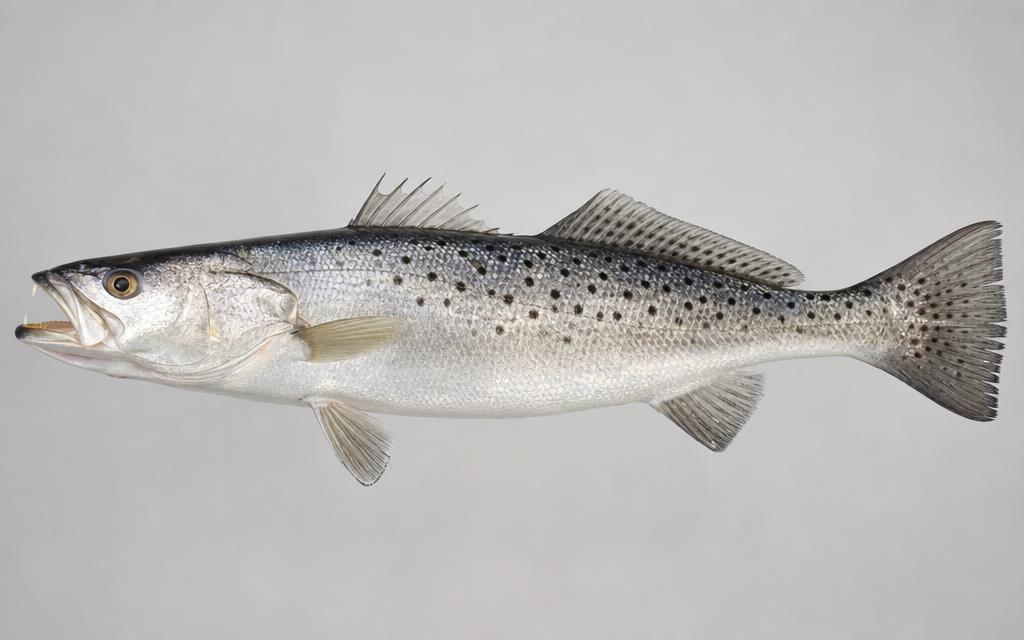
Speckled Trout identification photo

Speckled Trout

Cynoscion nebulosus

Excellent table fare
Identify
Silvery, slender, with scattered black spots over the back, dorsal and tail, plus two large canine fangs.
Where
Mississippi Sound grass flats, the Dauphin Island Bridge pilings, and the pier at first light or after dark under the lights.
Bait
  • Live shrimp under a popping cork
  • Live croaker in summer
  • Soft plastic jerkbaits and MirrOlure suspending plugs
Hooks
1/0–2/0 kahle or live-bait hook; 1/4 oz jighead for plastics.
Rig
Popping cork with an 18–24 in 20 lb fluoro leader, or a plain jighead worked slowly along drop-offs.
Line
10–20 lb braid, 20 lb fluorocarbon leader.
Eating
Delicate, sweet white fillets — best eaten the same day; the meat softens fast, so ice it immediately.
Legal size

15–22 in slot; one fish in your limit may exceed 22 in.

Daily limit: 6 per day. Measured by total length.

Keep

16–19 in — sweet, tender fillets.

Throw back

Gator trout over 22 in (beyond your one allowed) and any fish that's bleeding from the gills should be kept, not released — it won't survive.

Best months

Peak bite Good Slow
JJan
FFeb
MMar
AApr
MMay
JJun
JJul
AAug
SSep
OOct
NNov
DDec

April–May and September–October are the classic windows; big gator trout come in the cold months.

Tide / current
Moving water, with the falling tide the best of all — trout stack at the down-current side of marsh drains, cuts and bridge pilings and eat what washes past. Slack tide is the worst hour of the day.
Best time of day
Dawn and dusk; in summer, after dark under dock and bridge lights where shrimp collect.
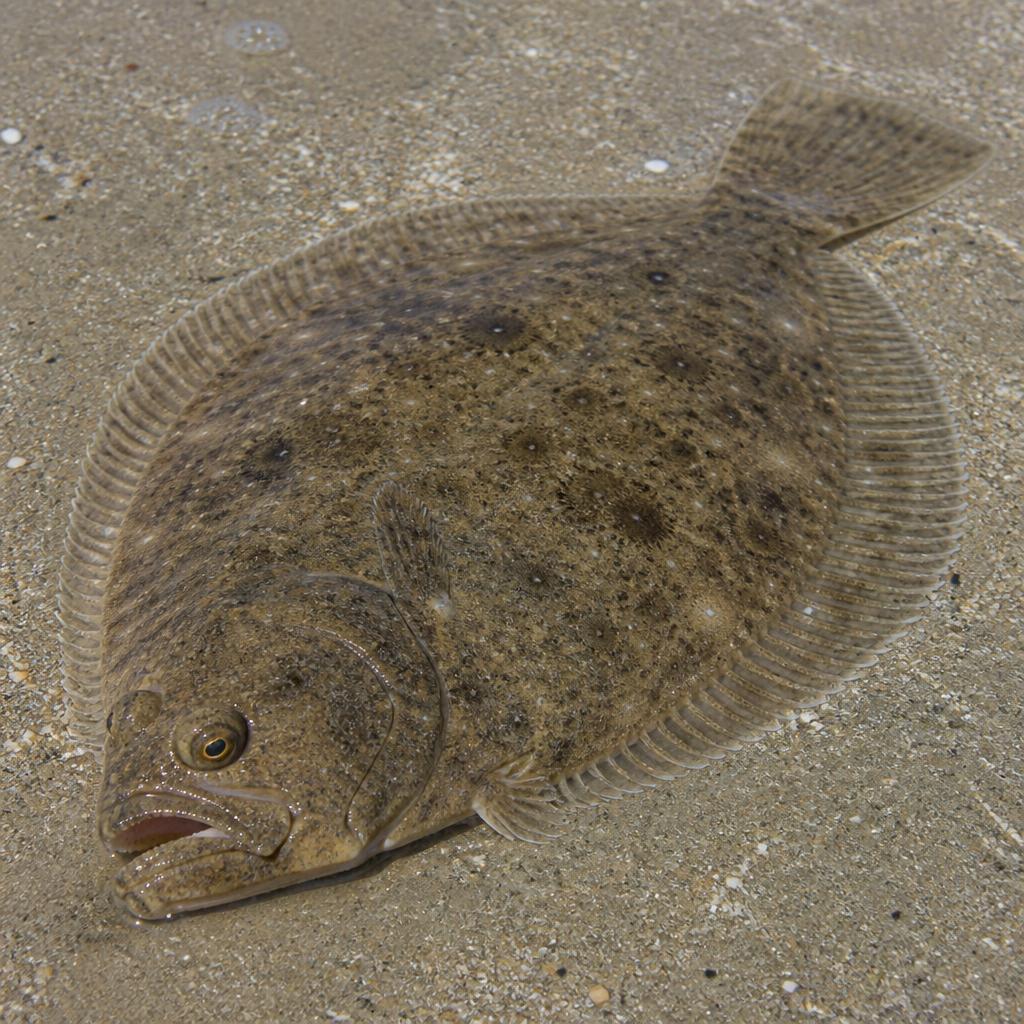
Southern Flounder identification photo

Southern Flounder

Paralichthys lethostigma

Excellent table fare
Identify
Flat, both eyes on the left side, mottled sandy brown to match the bottom.
Where
Sandy bottoms next to structure: Fort Gaines rocks, the ferry channel, and drains flowing out of the marsh on a falling tide.
Bait
  • Live bull minnows (mud minnows)
  • Live finger mullet
  • Gulp! shrimp on a jighead dragged slowly
Hooks
1/0–3/0 kahle hook — the wide bend catches their flat, hard mouth.
Rig
Carolina rig with a 1/2–1 oz egg sinker and 18 in leader, crawled along the bottom.
Line
15–20 lb braid with a 20–25 lb fluoro leader.
Eating
Top-tier eating — thick, sweet fillets, four per fish. Great stuffed and baked whole.
Legal size

14 in total length minimum.

Daily limit: 5 per day. Alabama closes flounder harvest each November for the spawning run — check before you gig. Measured by total length.

Keep

15–20 in — enough meat for four fillets.

Throw back

Anything at or just under 14 in, and doormats over 24 in (all big flounder are females).

Best months

Peak bite Good Slow
JJan
FFeb
MMar
AApr
MMay
JJun
JJul
AAug
SSep
OOct
NNov
DDec

The fall 'flounder run' in September–October is the whole show; Alabama closes harvest in November for the spawn.

Tide / current
Outgoing tide through a pass or cut is the flounder tide — they lie on the down-current sand lip and ambush bait swept past. For gigging, wait for a low, slack, glassy tide so you can see the bottom.
Best time of day
Any daylight hour with moving water; gigging is a night game on calm, low-tide flats.
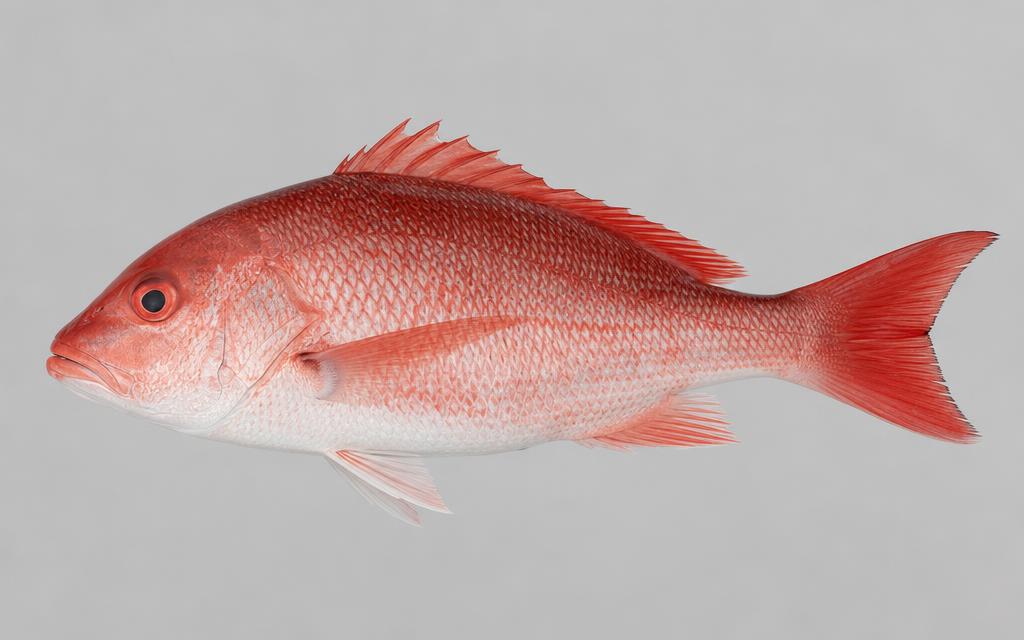
Red Snapper identification photo

Red Snapper

Lutjanus campechanus

Excellent table fare
Identify
Deep red body fading to white below, red eye, sloped head and pointed anal fin.
Where
Offshore reefs and wrecks out of Dauphin Island Marina — Alabama's artificial reef zone starts roughly 9+ miles out. Charter or private boat only.
Bait
  • Live hardtail or cigar minnows
  • Fresh cut bonito or squid
  • Vertical jigs and butterfly jigs
Hooks
6/0–9/0 circle hook (required for reef fish with natural bait in Gulf federal waters).
Rig
Knocker rig: egg sinker sliding right down to the hook eye — best for pulling fish off structure fast.
Line
50–80 lb braid with an 60–100 lb fluorocarbon leader; 6500-class spinner or conventional reel.
Eating
The Gulf's signature fillet — firm, mild, and versatile. Strictly seasonal: check the Alabama private-angler season and report your landing.
Legal size

16 in total length minimum (recreational).

Daily limit: 2 per person per day, and only during the announced state/federal season. Measured by total length.

Keep

18–24 in — great eating and easy on the release mortality math.

Throw back

Undersized fish and anything you catch out of season — use a descending device or vent tool, or barotrauma kills them at the surface.

Caught at these spots

Jump straight to the pin on the spot map.

Best months

Peak bite Good Slow
JJan
FFeb
MMar
AApr
MMay
JJun
JJul
AAug
SSep
OOct
NNov
DDec

Season-driven — Alabama's private-angler season typically opens the Friday before Memorial Day and runs weekends through summer until the quota fills.

Tide / current
Offshore it's current, not tide height, that matters — a light drift of about 1 knot keeps chum and bait streaming off the reef. Dead-still water makes snapper finicky and sharks brave.
Best time of day
The bite is structure-driven, not light-driven, but the first drop on an untouched reef is always the best one.
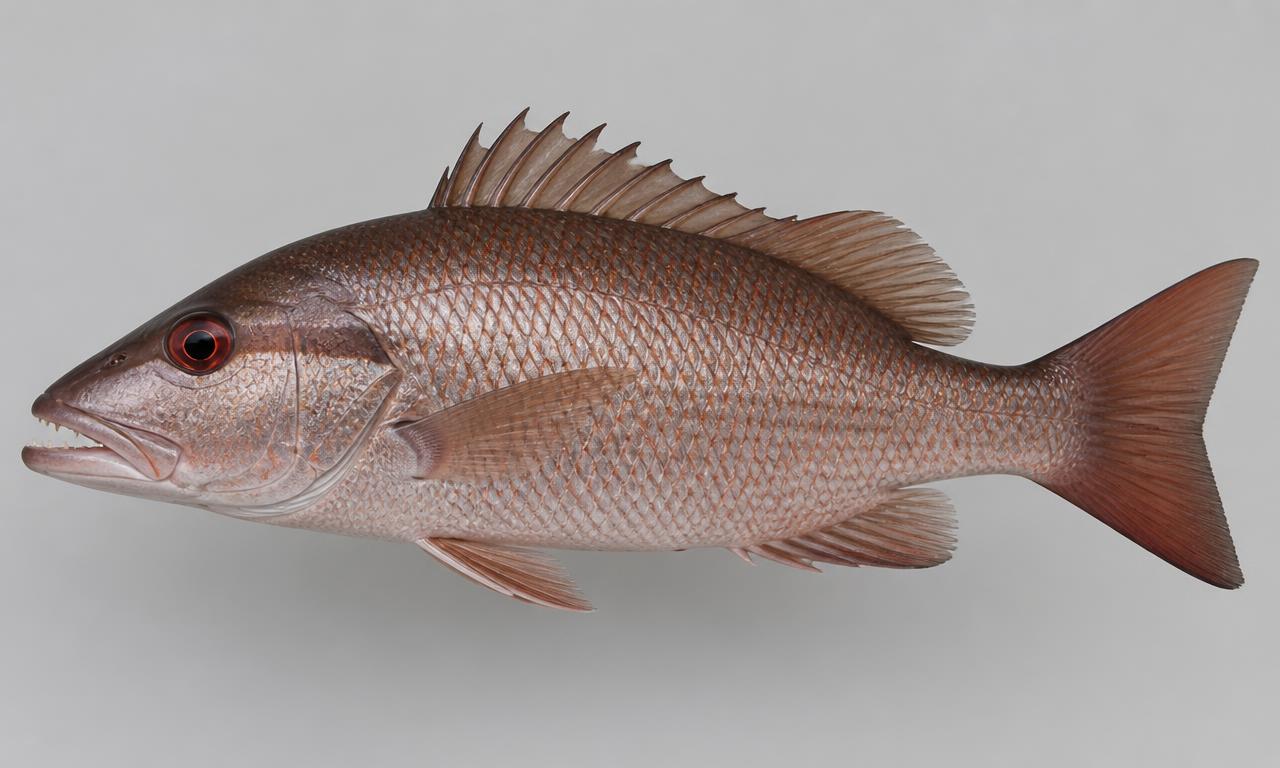
Mangrove Snapper (Gray Snapper) identification photo

Mangrove Snapper (Gray Snapper)

Lutjanus griseus

Excellent table fare
Identify
Coppery gray-bronze snapper with reddish scale edges, a pointed snout and two obvious canine teeth in the upper jaw. Young fish show a dark bar through the eye. Slightly forked tail — no black spot like a lane snapper.
Where
Hard structure only: the Fort Gaines jetty rocks, bridge and pier pilings, the Katrina Cut rubble, and nearshore reefs and wrecks in summer. They sit tight to the cover and rarely stray far from it.
Bait
  • Live shrimp (the standard)
  • Live bull minnows or finger mullet
  • Fresh cut cigar minnow or squid strips
  • Small jigs tipped with shrimp
Hooks
1/0–3/0 light-wire live-bait or circle hook — mangroves are leader-shy, so go as small and thin as you can get away with.
Rig
Free-lined live shrimp on a long 20–30 lb fluoro leader when they're picky; knocker rig with a 1/2–1 oz egg sinker when current or depth demands weight.
Line
15–30 lb braid with a 20–40 lb fluorocarbon leader; 3000–4000-class spinning reel with a locked-down drag to turn them out of the rocks.
Eating
Some of the best eating in the Gulf — sweet, firm white fillets, mild enough for anyone. Skin-on grilled or fried whole is hard to beat.
Legal size

12 in total length minimum (Gulf recreational).

Daily limit: 10 per person per day within the 20-fish aggregate snapper limit. Measured by total length.

Keep

13–18 in — plenty of meat and still great table fare.

Throw back

Anything under 12 in, and vent or use a descending device on fish pulled from deeper reefs so they make it back down.

Best months

Peak bite Good Slow
JJan
FFeb
MMar
AApr
MMay
JJun
JJul
AAug
SSep
OOct
NNov
DDec

A warm-water structure fish — June through September is prime around the jetties, pilings and nearshore reefs.

Tide / current
A steady moving tide that sweeps bait past the structure. Down-current of a piling or rock pile on an outgoing tide is the spot; slack water shuts them off.
Best time of day
Night is by far the best — pier and dock lights pull them up. Dawn and dusk are the daylight windows.
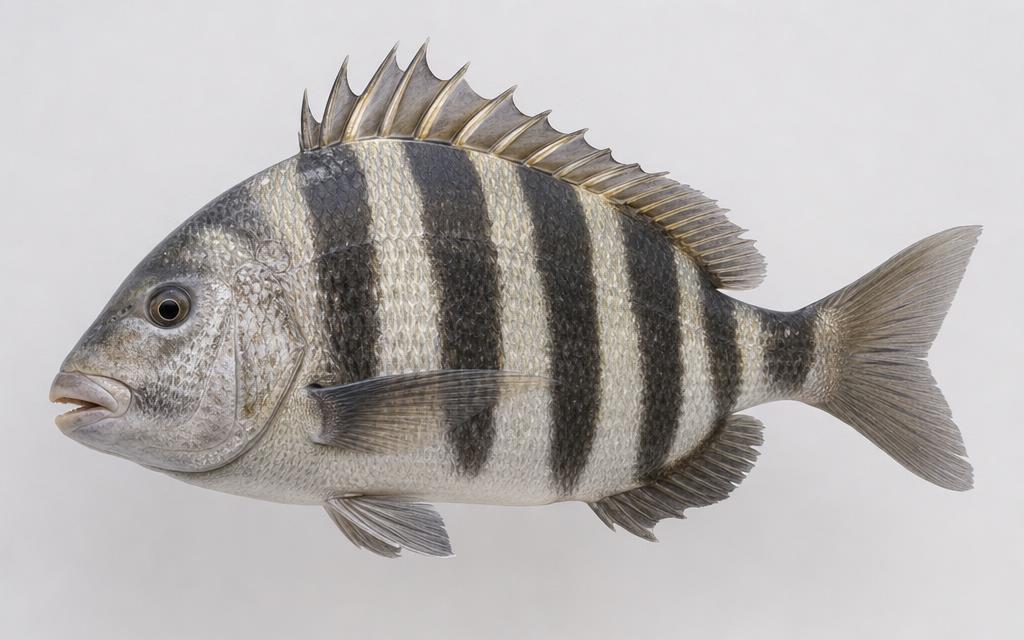
Sheepshead identification photo

Sheepshead

Archosargus probatocephalus

Excellent table fare
Identify
Black vertical bars on a silver body and unmistakable flat, human-like teeth.
Where
Anything barnacle-covered: bridge pilings, the Fort Gaines rocks, the pier legs, and channel markers — best in late winter and spring.
Bait
  • Live fiddler crabs
  • Fresh shrimp
  • Barnacles or oyster scraped off the pilings
Hooks
#1 to 2/0 short-shank live-bait hook — small, strong, and easy to hide in a fiddler.
Rig
Knocker rig or a 1/4–1 oz split shot right above the hook, fished tight against the piling.
Line
20–30 lb braid with a 25–30 lb fluoro leader; abrasion resistance matters more than diameter.
Eating
Sweet, shellfish-flavored meat, sometimes called 'poor man's crab.' Hard to clean — heavy scales and thick ribs, so use a stiff fillet knife.
Legal size

12 in fork length minimum.

Daily limit: 8 per day (reduced from 10 in 2025). Measured by fork length — nose to the fork of the tail.

Keep

14–18 in — thick shoulders, sweet crab-fed meat.

Throw back

Anything under 13 in; there's very little meat once you get past that armor plating.

Best months

Peak bite Good Slow
JJan
FFeb
MMar
AApr
MMay
JJun
JJul
AAug
SSep
OOct
NNov
DDec

February through April is the pre-spawn convict run when sheepshead pile onto every piling and jetty rock.

Tide / current
A moderate moving tide — either direction — keeps them chewing. Extreme rip current makes it impossible to feel the bite, and slack tide shuts them down. The hour either side of the turn is the sweet spot.
Best time of day
Whenever the tide is moving; overcast midday is perfectly fine.
Hardhead Catfish identification photo

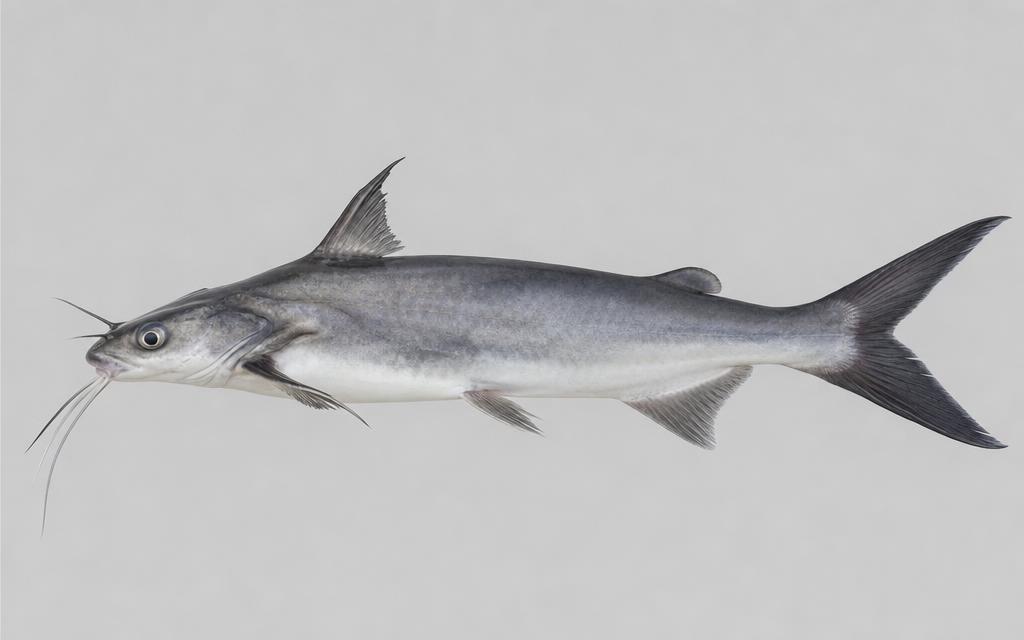
Hardhead Catfish

Ariopsis felis

Not worth eating
Identify
Slim gray saltwater catfish with long whiskers and a bony ridge on the head. Venomous, serrated dorsal and pectoral spines.
Where
Everywhere you didn't want it: the pier, the surf, the bay — usually on shrimp meant for something better.
Bait
  • Any dead shrimp (unfortunately)
  • Cut bait on the bottom
Hooks
Whatever you had out — use a dehooker and never grab the body.
Rig
N/A — switch to artificials or a popping cork if you're getting swarmed.
Line
N/A
Eating
Not worth cleaning: tiny yield, mushy texture, and painful venomous spines. Release with a dehooker; the sting can require medical care.
Legal size

No size or creel limit.

Daily limit: No limit. Measured by n/a

Keep

Nothing. Not worth the sting or the cleaning.

Throw back

All of them. Use pliers or a dehooker — the dorsal and pectoral spines carry venom and a puncture usually means a doctor visit.

Caught at these spots

Jump straight to the pin on the spot map.

Best months

Peak bite Good Slow
JJan
FFeb
MMar
AApr
MMay
JJun
JJul
AAug
SSep
OOct
NNov
DDec

Unfortunately most abundant exactly when you want speckled trout — warm summer months, all tides, all day.

Tide / current
Any tide. Slack water and dead bait on the bottom is a hardhead guarantee.
Best time of day
All day and especially after dark. There is no good time.
Whiting (Southern Kingfish) identification photo

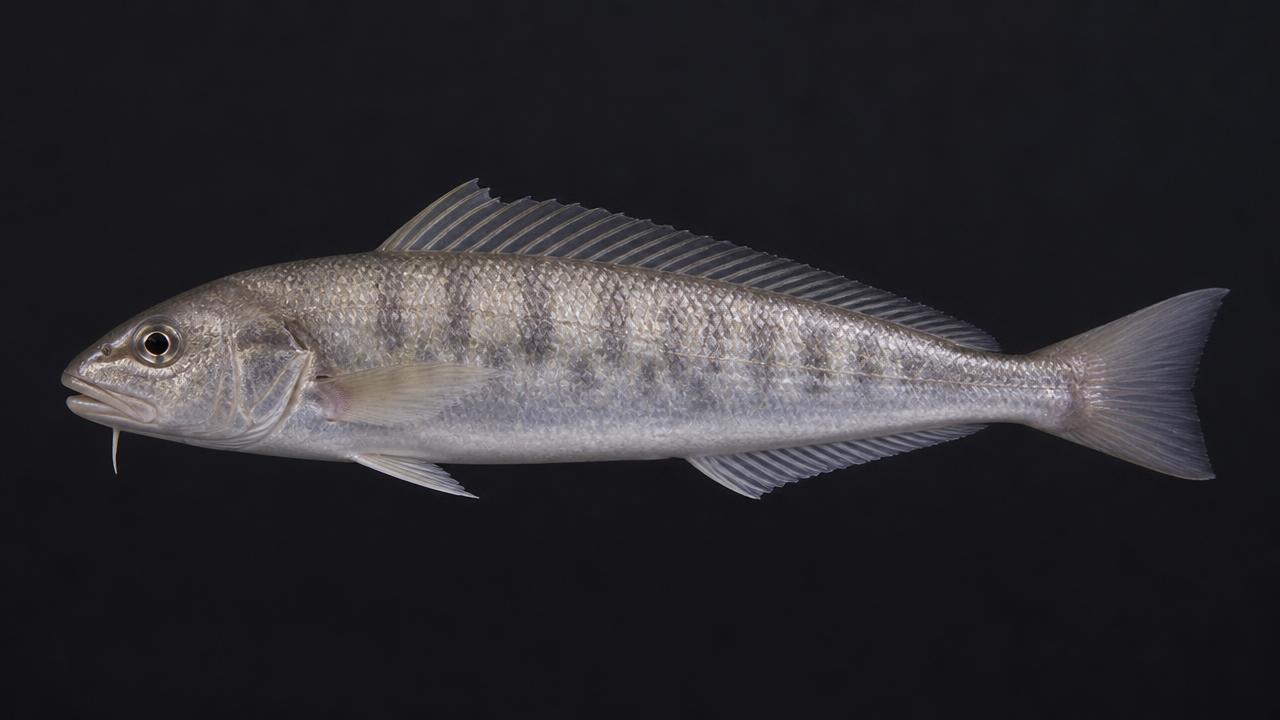
Whiting (Southern Kingfish)

Menticirrhus americanus

Excellent table fare
Identify
Slender silver surf fish with faint dark oblique bars, a small downturned mouth and one short stiff chin barbel. No spot on the tail — that separates it from small croaker.
Where
The first trough of the West End and public beach surf, the sand off Fort Gaines, and around the pier pilings. They feed nose-down on the bottom in the wash.
Bait
  • Fresh dead shrimp cut into pea-sized chunks
  • Sand fleas (mole crabs)
  • Fishbites bloodworm strips
  • Small pieces of squid
Hooks
#4 to #1 short-shank circle or kahle hook — their mouth is small, so downsize.
Rig
Two-hook pompano rig with a 2–3 oz pyramid sinker, cast just past the first bar; a small Carolina rig works off the pier.
Line
10–15 lb mono or 15 lb braid with a 20 lb fluoro leader.
Eating
One of the most underrated fish on the coast — sweet white flakey fillets, no fishy taste. Ice them right away and fry or broil the same day; they soften fast.
Legal size

No minimum size in Alabama.

Daily limit: No daily limit. Measured by total length.

Keep

10 in and up — that's where you get two real fillets.

Throw back

Anything under about 9 in; there's nothing on them. They're abundant, so keep only what you'll eat fresh.

Caught at these spots

Jump straight to the pin on the spot map.

Best months

Peak bite Good Slow
JJan
FFeb
MMar
AApr
MMay
JJun
JJul
AAug
SSep
OOct
NNov
DDec

A cool-water surf fish — best in spring and fall when the beach water is 60–75°F, thinner in the heat of summer.

Tide / current
Incoming and the first of the fall — a rising tide pushes them into the wash right at your feet.
Best time of day
First two hours of light and the last two before dark; overcast days fish all day.
Atlantic Croaker identification photo

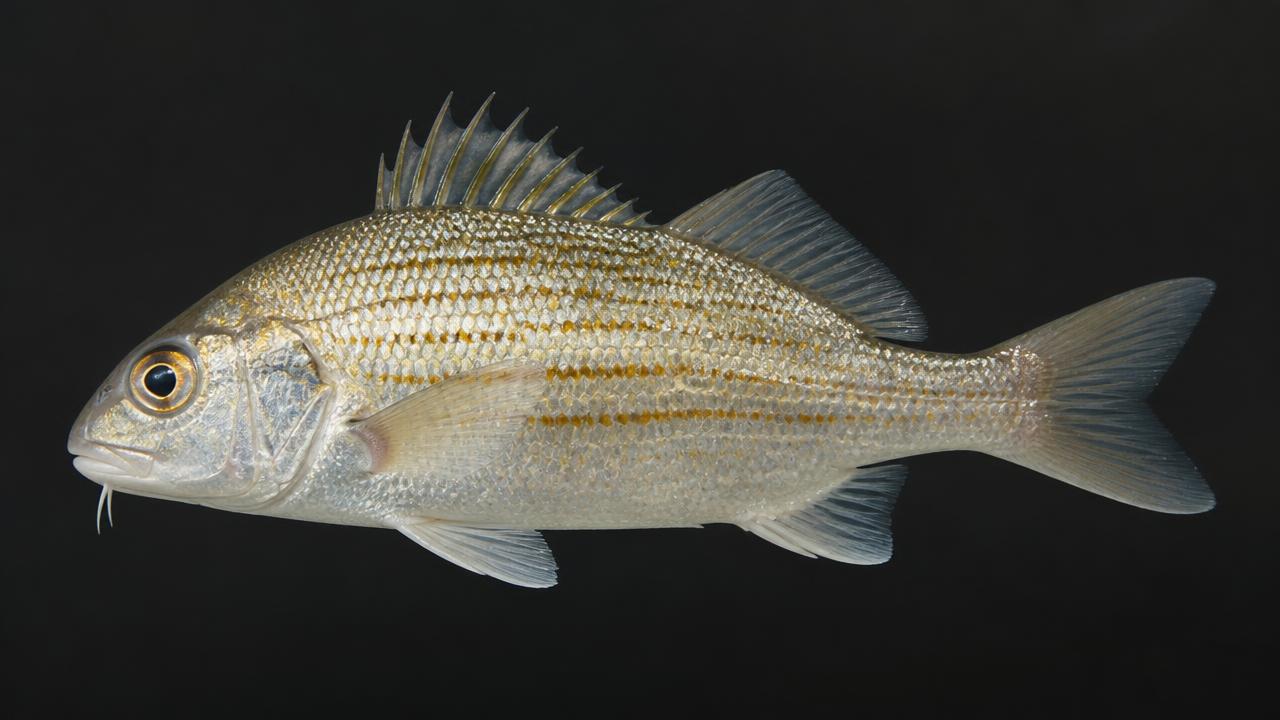
Atlantic Croaker

Micropogonias undulatus

Good eating
Identify
Silvery-bronze with brassy spots forming faint wavy bars, a downturned mouth with tiny chin barbels, and a spiny dorsal. Croaks audibly when you hold it — that's the giveaway.
Where
Everywhere with a mud or sand bottom: the public pier, Cedar Point pier, Billy Goat Hole, Aloe Bay and the sound side. Kids catch more of them than anyone.
Bait
  • Dead shrimp on the bottom
  • Squid strips
  • Cut mullet
  • Bloodworms or Fishbites
Hooks
#4 to 1/0 kahle or circle hook.
Rig
Double-drop bottom rig with a 1–3 oz sinker, or a simple Carolina rig with a 12 in leader.
Line
10–15 lb mono; anything heavier is overkill.
Eating
Genuinely good eating once they're over about 10 in — mild, firm, slightly sweet. Under 10 in there is almost nothing to fillet; scale and pan-fry whole or let them go. Great cut bait for bull reds and sharks.
Legal size

No minimum size in Alabama.

Daily limit: No daily limit. Measured by total length.

Keep

10–14 in. A 12 in croaker is a genuinely good panfish.

Throw back

Under 10 in — or keep the small ones on ice for cut bait instead of the fillet table.

Caught at these spots

Jump straight to the pin on the spot map.

Best months

Peak bite Good Slow
JJan
FFeb
MMar
AApr
MMay
JJun
JJul
AAug
SSep
OOct
NNov
DDec

Warm-water bottom fish — thick from May through September and largely gone once the bay drops below 60°F.

Tide / current
Any moving tide. Current keeps the scent moving and keeps them feeding.
Best time of day
All day; after dark under pier lights is best for the bigger ones.
Gafftopsail Catfish identification photo

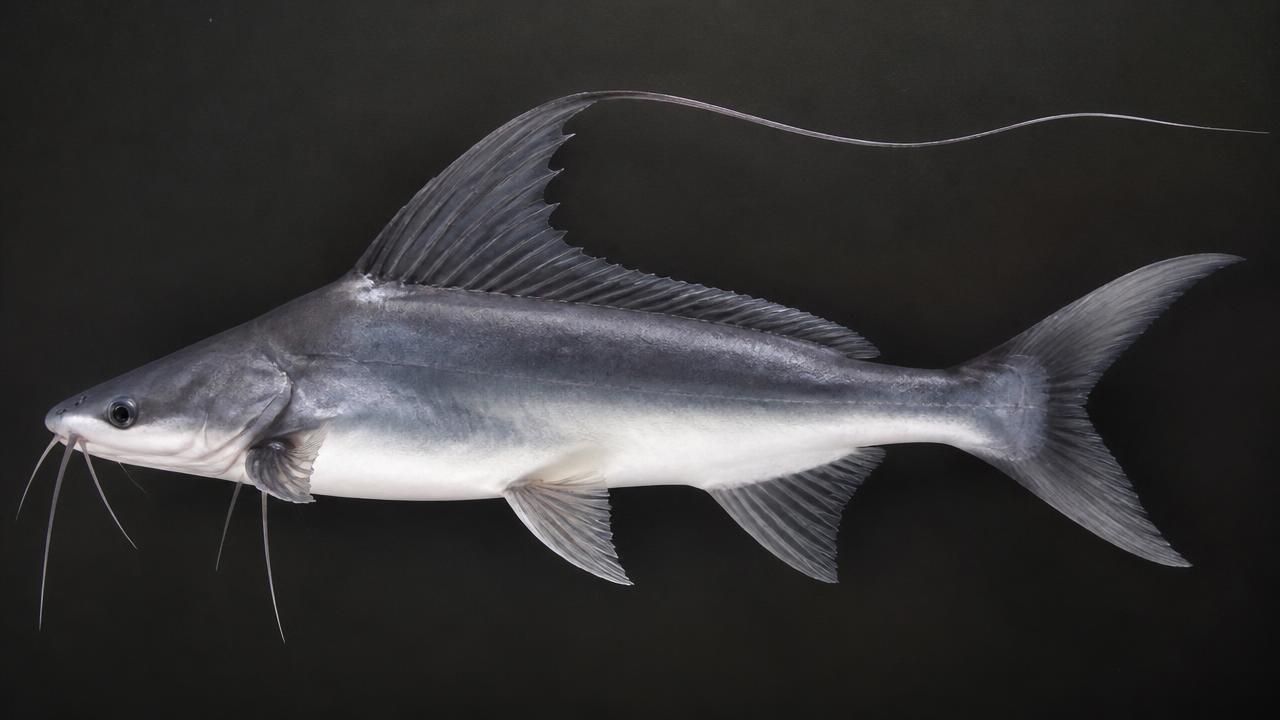
Gafftopsail Catfish

Bagre marinus

Good eating
Identify
Blue-grey saltwater catfish with a tall sail-like dorsal trailing a long filament and long flat barbels off the jaw. Coated in heavy slime. Bigger and stronger than a hardhead — and unlike the hardhead, it's worth keeping.
Where
The public pier, Cedar Point, Billy Goat Hole, Aloe Bay and the passes — anywhere shrimp is soaking in warm water, especially at night.
Bait
  • Fresh dead or live shrimp
  • Cut mullet or pogy
  • Live finger mullet
Hooks
2/0–4/0 circle hook — heavy enough for a fish that can push 5 lb.
Rig
Carolina / fish-finder rig on the bottom, or a free-lined shrimp under a cork at night.
Line
15–20 lb mono or 20 lb braid with a 30 lb leader.
Eating
Much better than its reputation — clean white fillets similar to channel cat once you get past the slime (skin it, don't scale it). Warning: the dorsal and pectoral spines are venomous. Pin it with a towel or gripper, cut the spines off before cleaning, and never grab the body.
Legal size

No minimum size in Alabama.

Daily limit: No daily limit. Measured by total length. cut the venomous dorsal and pectoral spines off before cleaning.

Keep

14 in and up (roughly 1 lb+) — skin them, don't scale them.

Throw back

Small ones under about 12 in; not worth the handling risk for the yield.

Best months

Peak bite Good Slow
JJan
FFeb
MMar
AApr
MMay
JJun
JJul
AAug
SSep
OOct
NNov
DDec

A warm-season fish that shows up with the shrimp — thickest May through September, and best after dark.

Tide / current
Falling tide through a pass or around pier pilings where bait gets swept.
Best time of day
After dark is far better than daylight; dawn is the daylight window.
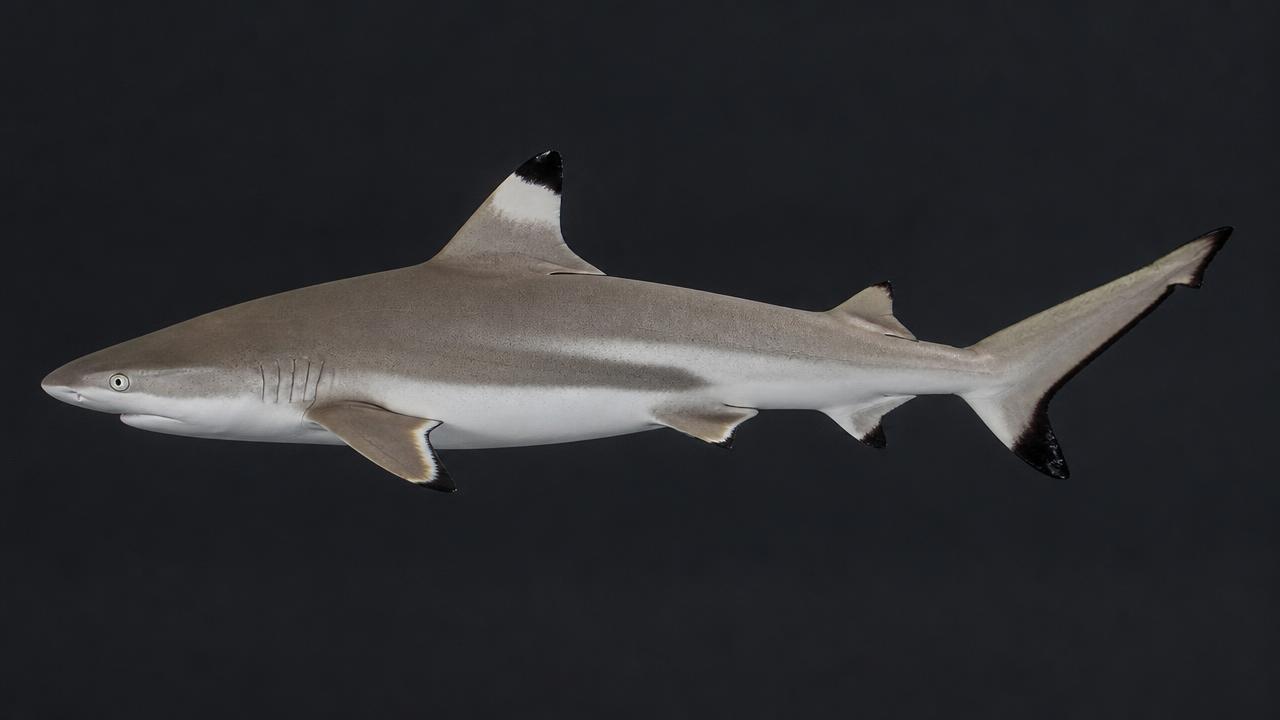
Blacktip Shark identification photo

Blacktip Shark

Carcharhinus limbatus

Good eating
Identify
Sleek grey-bronze shark with clean black tips on the pectoral, dorsal and lower tail lobe, a pointed snout and a white belly. The anal fin is NOT black-tipped — that separates it from a spinner shark.
Where
The surf off the West End and public beach, Dixey Bar, the ship channel edge off Fort Gaines, and just off the end of the public pier. Common May through September.
Bait
  • Fresh cut mullet, ladyfish or bonito
  • Live hardtail or mullet under a balloon
  • Whole small croaker
Hooks
8/0–10/0 non-stainless circle hook (required for sharks — it rusts out if the fish breaks off).
Rig
Fish-finder rig with 3–4 ft of 80–150 lb single-strand wire or heavy mono bite leader above a 60–80 lb shock leader.
Line
50–80 lb braid on a 6000–8000 spinner or a conventional; 8–12 ft heavy surf rod.
Eating
Best-eating of the local sharks if you bleed and ice it immediately — firm, mild, swordfish-like. Skip it if it sat on the sand; shark meat turns ammoniac fast. Alabama requires sharks be landed with head, tail and fins attached, and there is a 54 in fork-length minimum on most large coastal sharks. Check current rules before you keep one.
Legal size

Large coastal sharks including blacktip: 54 in fork length minimum in Alabama waters. Sharks must be landed with head, tail and fins attached.

Daily limit: 1 shark per person per day, 2 per boat, within the state limit. A federal HMS permit is required in federal water. Measured by fork length — snout to the v of the tail.

Keep

A single 54–70 in fish, bled and iced immediately, if you actually plan to eat it.

Throw back

Everything under 54 in, all pregnant females, and any fish you can't handle quickly. Cut the leader close, keep it in the water, and never drag a shark up the dry sand for a photo.

Caught at these spots

Jump straight to the pin on the spot map.

Best months

Peak bite Good Slow
JJan
FFeb
MMar
AApr
MMay
JJun
JJul
AAug
SSep
OOct
NNov
DDec

A summer visitor. Blacktips follow bait into the surf and the bay mouth from about May through September.

Tide / current
Incoming through high, and the first of the fall — they hunt the trough on higher water.
Best time of day
Dusk into the first few hours of dark; also midday when bait is being blitzed on the bar.
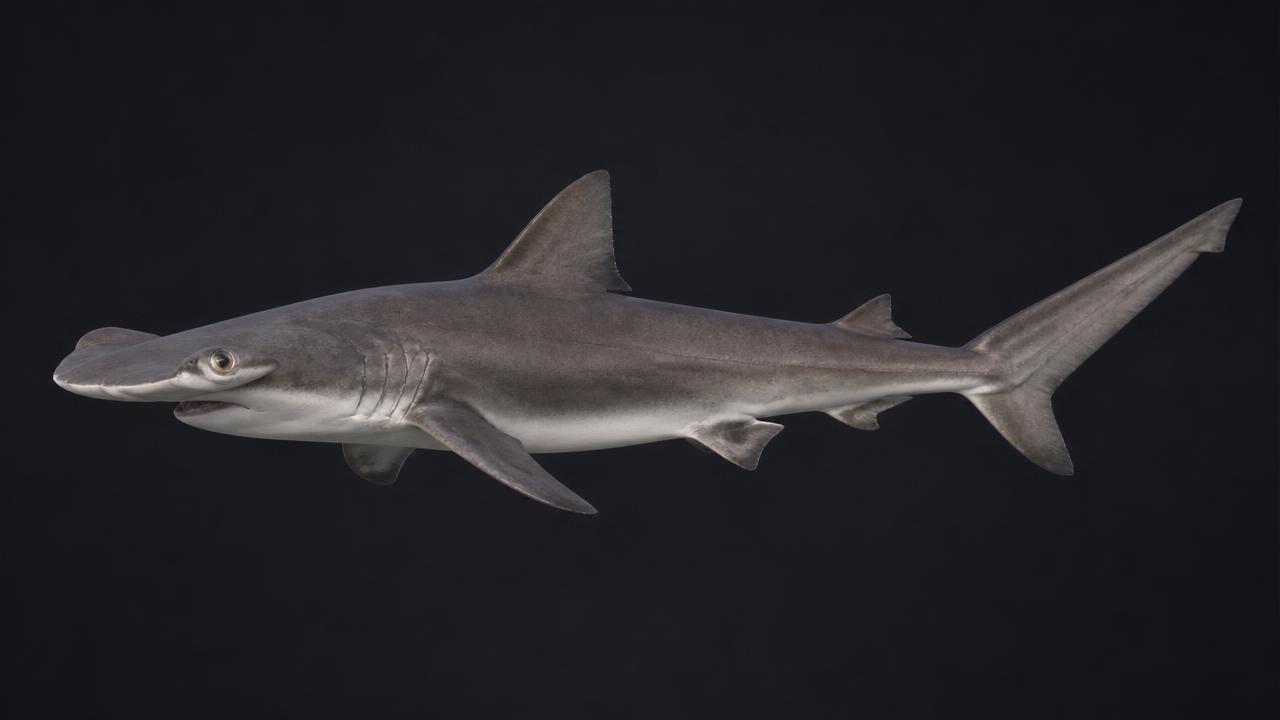
Bonnethead Shark identification photo

Bonnethead Shark

Sphyrna tiburo

Good eating
Identify
Small hammerhead cousin, usually 2–3 ft, with a smooth rounded shovel-shaped head. Grey-brown above, pale below. Harmless and very common in the shallows.
Where
Shallow sound-side flats, Katrina Cut, Lafitte Bay, Little Dauphin Island marsh and the surf trough. Often seen cruising in ankle-to-knee-deep water hunting crabs.
Bait
  • Fresh shrimp
  • Blue crab quarters
  • Cut mullet
Hooks
3/0–5/0 circle hook.
Rig
Carolina rig with a 12–18 in section of 40–60 lb fluoro (their teeth are crushing plates, not blades — wire is usually unnecessary).
Line
15–20 lb braid on medium-heavy inshore tackle; the best light-tackle fight on the flats.
Eating
Very good on the grill when bled and iced right away — mild and firm, no ammonia if handled fast. There is no minimum size in Alabama for bonnethead, but the daily shark limit applies. Most anglers release them; they're a blast on light gear.
Legal size

No minimum size in Alabama (bonnethead is exempt from the large coastal shark size rule).

Daily limit: Counts against the daily shark limit — 1 per person, 2 per boat. Measured by fork length.

Keep

A 2–3 ft fish bled and iced on the spot.

Throw back

Most of them. They're a light-tackle sport fish and the flats population is easy to dent.

Caught at these spots

Jump straight to the pin on the spot map.

Best months

Peak bite Good Slow
JJan
FFeb
MMar
AApr
MMay
JJun
JJul
AAug
SSep
OOct
NNov
DDec

Warm-season flats shark — visible and catchable on the shallow sound side all summer.

Tide / current
Rising tide onto the flats; they follow crabs up with the water.
Best time of day
Mid-morning through afternoon when the sun is high enough to spot them.
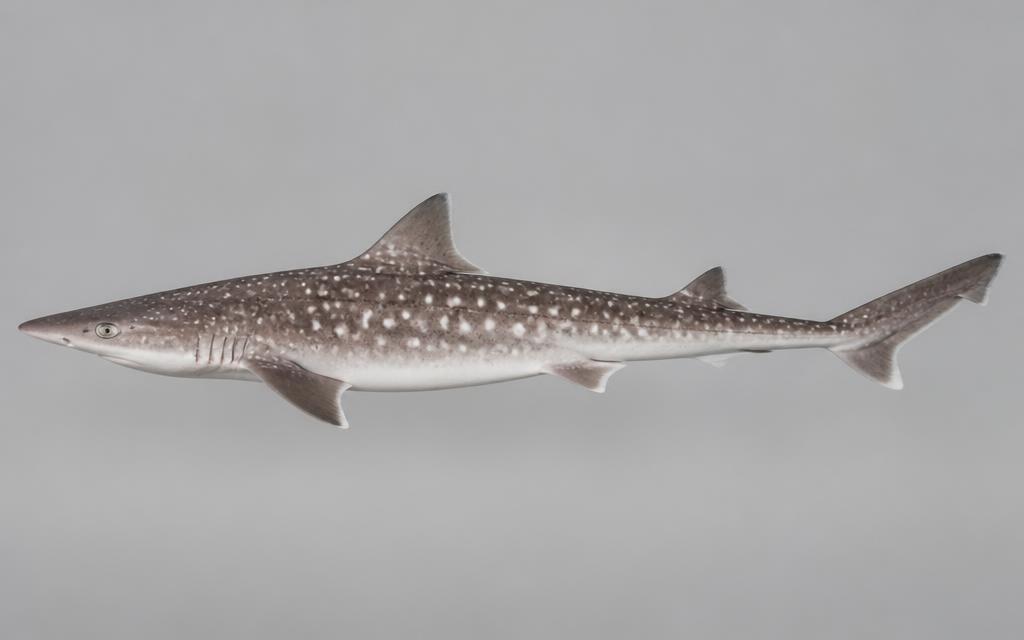
Atlantic Sharpnose Shark identification photo

Atlantic Sharpnose Shark

Rhizoprionodon terraenovae

Good eating
Identify
Small, slender shark topping out around 3–4 ft. Long pointed snout, brownish-grey back with scattered white spots on the sides, white belly, and white trailing edges on the pectoral fins. Long labial furrows at the corners of the mouth separate it from juvenile blacktips.
Where
Everywhere on Dauphin Island: the public pier, the surf trough, Fort Gaines rocks, the ferry channel and the sound side. The most commonly caught shark off the pier all summer.
Bait
  • Cut mullet or menhaden
  • Fresh shrimp
  • Squid strips
  • Cut croaker or whiting
Hooks
3/0–5/0 circle hook — they gut-hook easily on J hooks.
Rig
Fish-finder or Carolina rig with 12–18 in of 40–60 lb fluoro, or a short 30–50 lb single-strand wire bite leader if you're losing fish.
Line
15–30 lb braid on a 4000–6000 spinner; a 7–9 ft medium-heavy rod handles them fine.
Eating
Good eating when bled and iced immediately — mild, firm white meat. Like all sharks it turns ammoniac fast if it sits warm. Alabama requires sharks be landed with head, tail and fins attached; sharpnose has no minimum size but counts against the daily shark limit.
Legal size

No minimum size in Alabama (Atlantic sharpnose is exempt from the large coastal shark size rule).

Daily limit: Counts against the daily shark limit — 1 per person, 2 per boat. Must be landed with head, tail and fins attached. Measured by fork length.

Keep

A 3–4 ft fish, bled and iced on the spot if you plan to eat it.

Throw back

Anything you can't ice immediately, and pregnant females in early summer. Cut the leader short and let it swim.

Caught at these spots

Jump straight to the pin on the spot map.

Best months

Peak bite Good Slow
JJan
FFeb
MMar
AApr
MMay
JJun
JJul
AAug
SSep
OOct
NNov
DDec

The summer pier shark — thick from May through September and willing to eat any cut bait on the bottom.

Tide / current
Moving water either way; an outgoing tide pulling bait out of the passes is best.
Best time of day
Best after dark and in the last hour of light, though they bite all day in summer.